The most common pet care errors that should be avoided to promote better health in pets.
Although most pet owners are loving, they do not realize that they commit pet care mistakes. These are the pet care mistakes that are important to understand and rectify in order to have happy and healthy pets.
Ignoring Dental Hygiene
Overlooking the aspect of oral care is one of the largest pet care errors. Frequent brushing helps in preventing plaque and severe infections.
Overfeeding Pets
One of the most widespread mistakes in pet care that cause obesity and associated diseases is overfeeding or overfeeding the pet too frequently.
Skipping Vet Appointments
The real reason not to take pets to the vet regularly is a critical mistake in pet care, which may postpone the diagnosis of any latent diseases.
Lack of Exercise
Pets need regular activity. One of the pet care errors is a sedentary lifestyle, which leads to behavior and health issues.
Using Human Products
Do not apply human shampoo or drugs–these are some of the pet care errors that are fatal and risky.
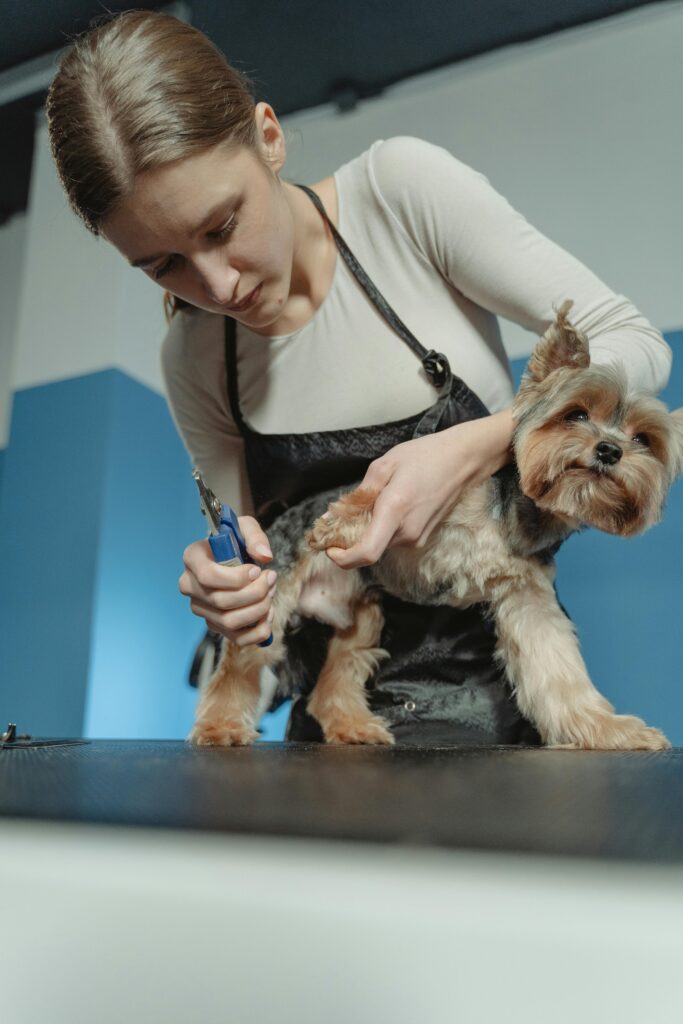
Poor Grooming Routine
Another error that pet care owners make is infrequent grooming which causes matting, odor and infections.
Negligence towards Behavioral Changes
Ignoring such indicators as aggression, withdrawal, and restlessness is one of the common errors in pet care. Behavioral modification is usually an indicator of pain or disease.
Unsafe Living Environment
One of the most hazardous errors in pet care is leaving any sharp objects or toxic plants in the house.
Lack of Training
The omission of obedience training is among such pet care errors that render pets hard to handle.
Failing to Attend to It Enough
Pets are animals that love and need companionship. One of the saddest errors in pet care is the lack of emotional care.
Through awareness of and prevention of such pet care errors, you can help secure a healthier, happier and safer life of the animals that you love.
FAQs :
1. What are the most common pet care mistakes owners make?
Some of the biggest mistakes include overfeeding, skipping regular vet checkups, using human products on pets, ignoring dental care, and not providing enough mental or physical stimulation.
2. How often should I take my pet to the vet?
Healthy adult pets should visit the vet at least once a year. Puppies, senior pets, or pets with health issues may need more frequent checkups.
3. Is feeding table food harmful for pets?
Yes. Many human foods are high in fat, salt, and spices, which can cause obesity, digestive issues, or even poisoning. Always stick to pet-safe foods and treats.
4. Why is dental care important for pets?
Poor dental hygiene can lead to plaque buildup, gum disease, bad breath, and even serious infections that affect the heart and kidneys. Regular brushing and dental treats help prevent these issues.
5. Can I use human shampoo or cleaners on my pet?
No. Human grooming products can irritate your pet’s skin and disrupt their natural pH balance. Always choose pet-specific shampoos and cleaning solutions.
6. How much exercise does my pet need?
Exercise depends on breed and age, but most pets need daily physical activity to maintain healthy weight, reduce stress, and prevent behavioral problems.
7. Is it okay to skip flea and tick prevention in winter?
Not recommended. Fleas and ticks can survive indoors year-round. Regular protection helps prevent infestations and harmful diseases.
8. What happens if I overfeed my pet?
Overfeeding leads to obesity, which increases the risk of diabetes, joint issues, heart disease, and shortened lifespan. Always follow portion guidelines recommended by your vet.
9. Why is mental stimulation important for pets?
Pets need mental enrichment to prevent boredom, anxiety, and destructive behavior. Toys, training, puzzles, and interactive play help keep their minds sharp.
10. How do I know if my pet’s routine is healthy?
If your pet maintains a healthy weight, has good energy, normal appetite, clean skin and coat, and shows no behavioral changes, your routine is likely working. If not, it’s time to adjust your care practices.