
Impact of Late Payments
One of the worst things you can do to your credit score in the United States is to make late payments. Since your payment history accounts for around 35% of your score, even one late payment can result in a discernible decline. After 30 days, a payment is typically reported as late; the longer it is unpaid, the worse the consequences. Although their impact gradually diminishes, late payments remain on your credit report for up to seven years. The speed at which late payments erode lender trust is often overlooked by novices. It’s crucial to set up automatic payments or reminders. When rebuilding credit, consistency is more important than perfection.
Maxing Out Credit Cards
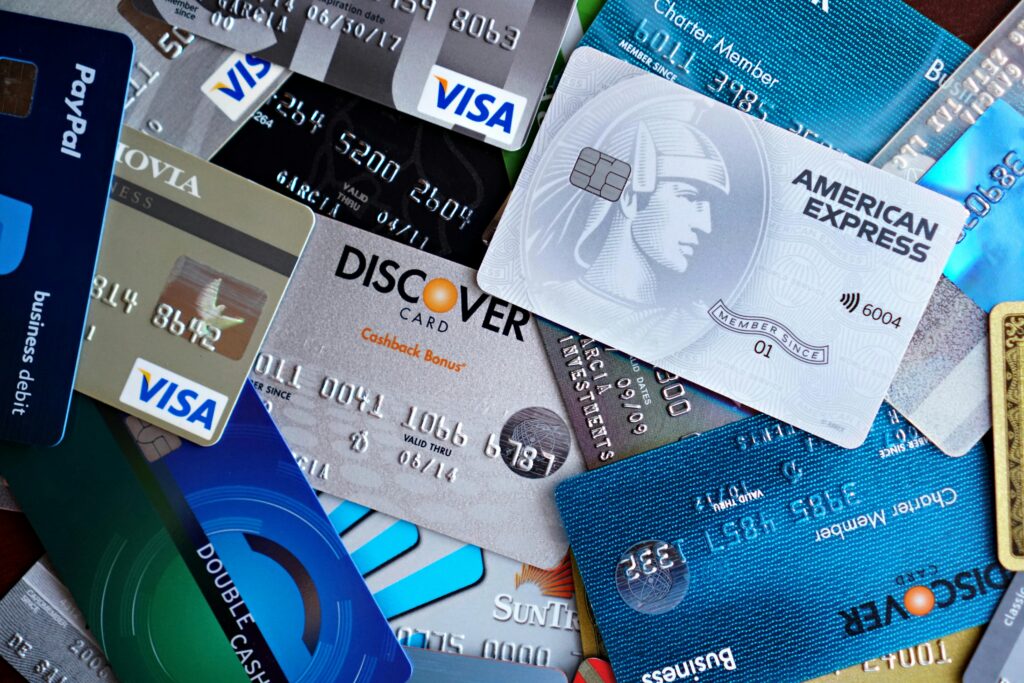
Lenders are alerted to financial strain when credit cards are maxed out. Using a large portion of your limit damages your credit utilization, which makes up around 30% of your score, even if you make your payments on time. Your score may be lowered within a single billing cycle if your card is maxed out. It is advised to maintain utilization below 30%, and preferably below 10%. A common error made by novices is to use full limits for rewards or emergencies. Paying off balances early and distributing spending across several credit cards are beneficial. Low utilization demonstrates accountability and control.
Too Many Hard Inquiries
When a lender checks your credit for approval, this is known as a hard inquiry. For a brief while, each difficult question may cause your score to drop a little. Lenders see too many inquiries in a short period of time as a sign of risk and desperation. When novices apply for several cards or loans at once, this frequently occurs. Although the impact of hard inquiries diminishes after a few months, they typically remain on your report for two years. Applications must be spaced out and chosen carefully. Prequalification tools assist in avoiding pointless questions.
Closing Old Accounts
Your credit score may unexpectedly drop if you close old credit accounts. It reduces the amount of credit you have available overall and shortens the duration of your credit history. Lenders value long-term responsibility, which is demonstrated by older accounts. Although it usually has the opposite effect, beginners frequently close unused cards in the mistaken belief that it will help. It’s usually better to keep the account open if there isn’t an annual fee. Accounts should only be closed strategically. Long-term score stability is influenced by credit age.
Ignoring Credit Reports
Errors and fraud can remain undetected if you ignore your credit report. Your score may be negatively impacted by outdated negative marks, unfamiliar accounts, or incorrect balances. You are legally permitted to routinely check your credit reports in the United States. Score changes may be difficult for novices to comprehend if they don’t keep an eye on reports. Disputes and corrections are made possible by early detection. Maintaining accuracy is aided by monthly report reviews. One of the simplest ways to safeguard your credit is to be aware.
Quick-Fix Scams
Credit repair scams often promise instant score increases or negative mark removal. In reality, no company can legally erase accurate information overnight. These scams charge high fees for actions you can do yourself. Some even damage your credit further by disputing valid accounts repeatedly. Beginners are common targets because they want fast results. The safest path is self-education and consistency. Real credit improvement takes time and discipline.
How to Avoid These Mistakes
Avoiding credit mistakes requires simple habits. Always pay bills on time or early. Keep balances low and track utilization. Apply for credit only when necessary. Keep old accounts open whenever possible. Monitor your credit report regularly. Ignore promises of instant fixes. Build credit slowly and intentionally. Small, consistent actions protect your score long-term. Awareness and patience are the best defenses against credit damage.
FAQs
1. How much can one late payment hurt my credit score?
A single late payment can drop a good score by 50–100 points.
2. Is it bad to use my full credit limit if I pay it off?
Yes, high utilization hurts your score even if paid on time.
3. How many hard inquiries are too many?
More than 2–3 within a short period can negatively impact your score.
4. Should I ever close a credit card?
Only if it has high fees or you cannot manage it responsibly.
5. How often should I check my credit report?
At least once a month for active monitoring.