Eating Clean on a Budget: The Way I finally Started Healthy Diet Plans.
There is that point at which you see your plate and say, “Okay… I need to fix this”?
Yeah, that was me.
I didn’t know where to start. Each article had a different thing to say. Keto there, fasting here, an influencer has dinner on just soup. Honestly, I was lost.
But this is what I got to know – eating clean does not have to be difficult. You simply have to have a plan that suits you. One that you are able to follow but not cry about kale.
So, here’s how I started.
Why I Even Had to Have a Plan (Spoiler: Chaos)
I used to get up and eat just anything. Bread, perhaps a biscuit, on other occasions nothing. I felt drained, my mood was low and by three p.m. I would bang that wall of I-need-sugar-now.
A plan gave me structure. A way to act when my brain was telling me, “meh, just order fries.
And the crazy part? As soon as I began the habit of following a basic routine, life became easier.
More energy. Better digestion. Less stress around food.
It was not a matter of starving, it was a matter of eating Smart.
The Whole “Clean Eating” Thing (It’s Simpler Than It Sounds)
Individuals are so fond of dispensing clean eating like it is a club. It’s not.
It is simply this: consume natural food, not artificial one.
To myself I had some rules:
Real foods only. Fruits, vegetables, grains, something that resembles nature.
Drink water like it’s my job.
Eschew junky delights (good-bye chips, though I miss you).
Never eat too , though it may be healthy.
And, big one — plan ahead. Since, when you fail to, you lose to pizza.
After those rules had got their hook, it was no longer work to eat clean.
Choosing the Diet That did not Scare Me.
The body of everyone is different, but I tried this:–and this is what made sense to a beginner like me:
Mediterranean Vibes
Olive, fish, grains, veggies. It is colorful, tasting and you do not feel that you are on a diet. I also began to add salads of quinoa and grilled salmon to my week. Boom, energy!
High-Protein Focus
This one rescued me against snack attacks. Eggs, yogurt, lentils, chicken – not heavy, full. My go-to? Spinach and toast scrambled eggs. Simple, done.
The Balanced Plate Trick
Fifty percent vegetables, twenty-five percent protein, twenty-five percent carbos. You do not keep count of calories — you Jigger-Mull it. Way less stress.
Plant-Based Life
Not vegetarian, slightly more plants. Lentil curry, rice bowls, roasted vegetables. My body thanked me. My skin too.
These are not diets, they are simply adaptable lifestyles to eat healthier without detesting life.
What I Eat (also known as Real Food That Tastes Good)
Breakfasts were simple
Bananas and Honey in Oatmeal. Or yogurt with berries. Occasionally avocado toast due to Instagram, etc.
Lunch? Chicken wraps, quinoa bowls, tuna sandwiches – items that I could bring or prepare quickly.
Meals were also no big deal: grilled fish, veggie stir-fry, pasta and tomatoes and greens.
Oh, and snacks? Nuts, apples, sticks of carrots, boiled eggs. The type of stuff your not sorry about.
It wasn’t fancy. It was only food that brought me to my senses of being human.
My 7 Day Clean Eating Experiment
I scribbled a small table in paper (yeah old-school).
Every day contained something clean, balanced and in fact tasty.
Monday- smoothie breakfast, chicken wrap, salmon, dinner.
Tuesday- oats, quinoa bowl, lentil soup.
Wednesday -avocado toast, tuna sandwich, stir-fry.
You get the idea.
By Sunday, I was not feeling like having junk anymore. My fridge looked… calm. Organized. I kinda loved it.
Finding Motivation (When Netflix and Chips Call Your Name)
Admittedly, I did not feel like it on some days.
But I learned to start small. One habit at a time. Similar to merely stopping drinking soda during a week, or making lunch.
I also kept snacks on hand so that I would not panic eat any junk.
And when I reached a goal, (a small one too,) I shouted. Bought myself new sneakers. Not cake. Okay… sometimes cake.
Unity was more significant than excellence. Whenever I fell off I simply picked myself up. No guilt trip.
Stuff I Messed Up (Learn From Me)
Missed meals – not a good idea, I ate later on.
Break down all fat – bad, you want it.
Forget water, it made me feel like a raisin.
Attempted to prepare 10 new recipes within a week – complete anarchy.
I no longer tried to be perfect and ate better, bit by bit.
Oh, and Move Your Body (Doesn’t Need to Be Fancy).
No gym. No crazy workouts.
Only half-hour post-dinner walks. Stretching a little in the morning.
Other days I would dance when preparing food. It counts.
It turns out that when you move and eat clean then you get real visible change.
What I Took Away From It All
Start small.
Eat food that looks like food.
Drink water.
Plan ahead.
Be patient with yourself.
This is not really about dieting, it is all about living better. Less burdened, more transparent you.
You do not have to think a lot about it in case you are new to the world of healthy eating.
Swap one thing today. Simply cook something to-morrow.
And a couple of weeks later you will start to think back and you will see, wow I used to do it.
FAQ’s:
1. How can I start eating clean on a tight budget?
Begin by focusing on basic whole foods like rice, oats, lentils, eggs, fruits, and vegetables. Plan weekly meals and avoid buying processed snacks to cut unnecessary costs.
2. What are the cheapest healthy foods to include in my diet?
Affordable clean foods include beans, lentils, seasonal vegetables, bananas, eggs, sweet potatoes, brown rice, and frozen veggies. These offer great nutrition at low prices.
3. How do I create a healthy meal plan that fits my budget?
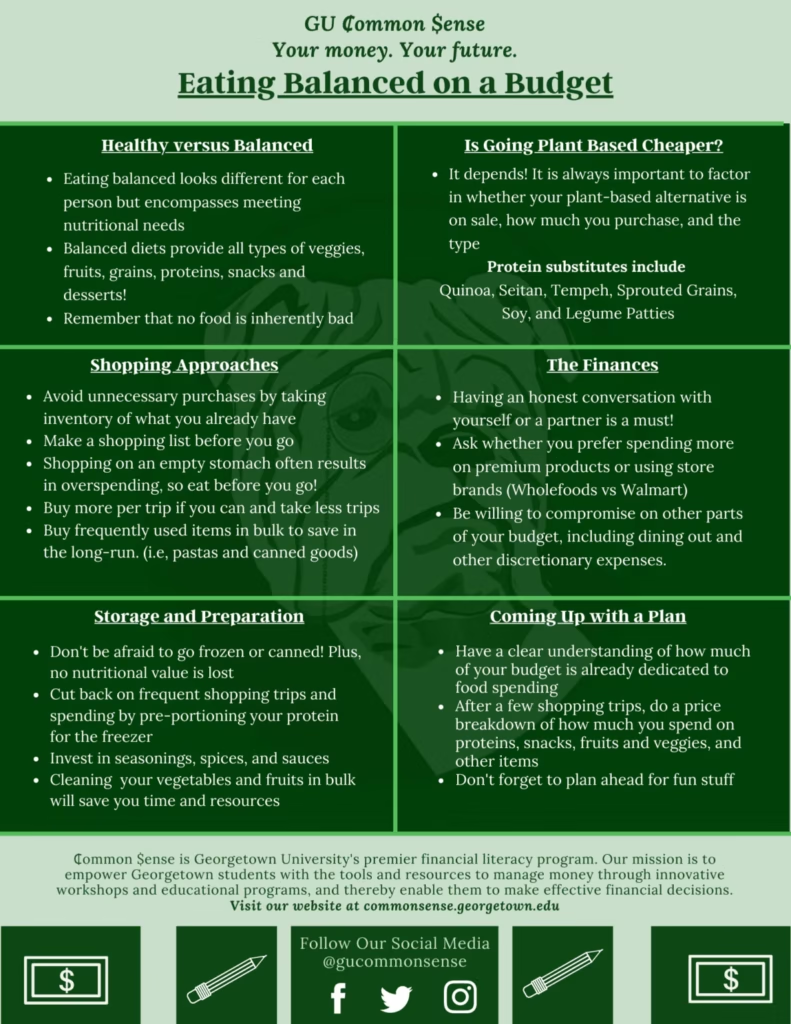
Start by planning meals around inexpensive staples, buying in bulk, cooking at home, and preparing large batches for the week to avoid eating out.
4. Is it possible to lose weight while eating clean on a budget?
Yes, because clean eating focuses on whole, low-calorie, nutrient-dense foods. Controlling portions and avoiding processed items also supports healthy weight loss.
5. How can I avoid overspending while grocery shopping?
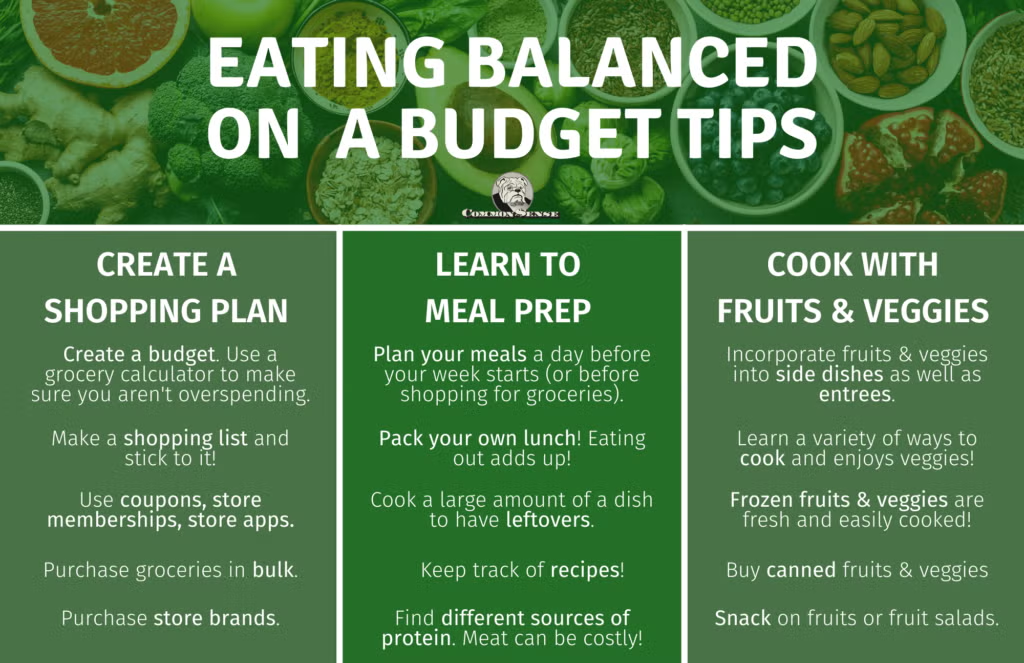
Make a list, buy seasonal produce, compare prices, avoid impulse purchases, and stick to store brands. Shopping in bulk and cooking at home further reduces costs.